The Cap Rate: The "Universal Language" of OBX Real Estate Investing
In the Outer Banks market, most people talk about "rental income." But professional investors talk about Cap Rates.
What is a Cap Rate?
The Capitalization Rate (Cap Rate) is a percentage that shows the expected rate of return on an investment property. The beauty of the Cap Rate is that it ignores your mortgage. It tells you how hard the house is working, regardless of how you choose to pay for it.
The standard formula is:
$$ \text{Cap Rate} = \frac{\text{Net Operating Income (NOI)}}{\text{Purchase Price}} \times 100 $$
The Evergreen Logic
The math behind a Cap Rate never changes. It is a simple relationship between two numbers:
- Net Operating Income (NOI): This is what is left of your rent after you pay the management fees, the cleaners, the taxes, and the pool guy—but before you pay your mortgage.
- Purchase Price: What you paid for the asset.
Why It’s Your Best Comparison Tool
Imagine you are looking at two different homes:
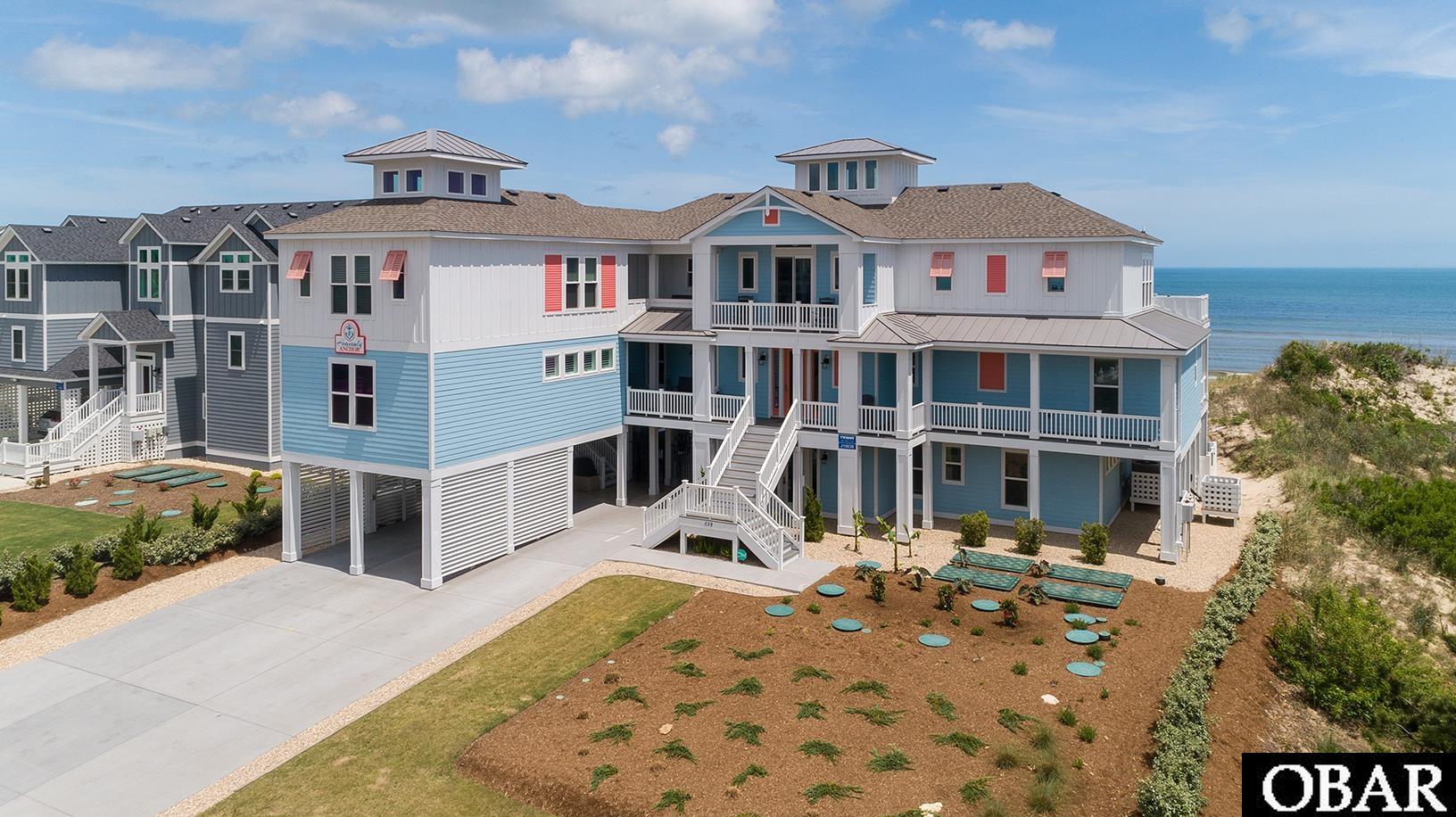
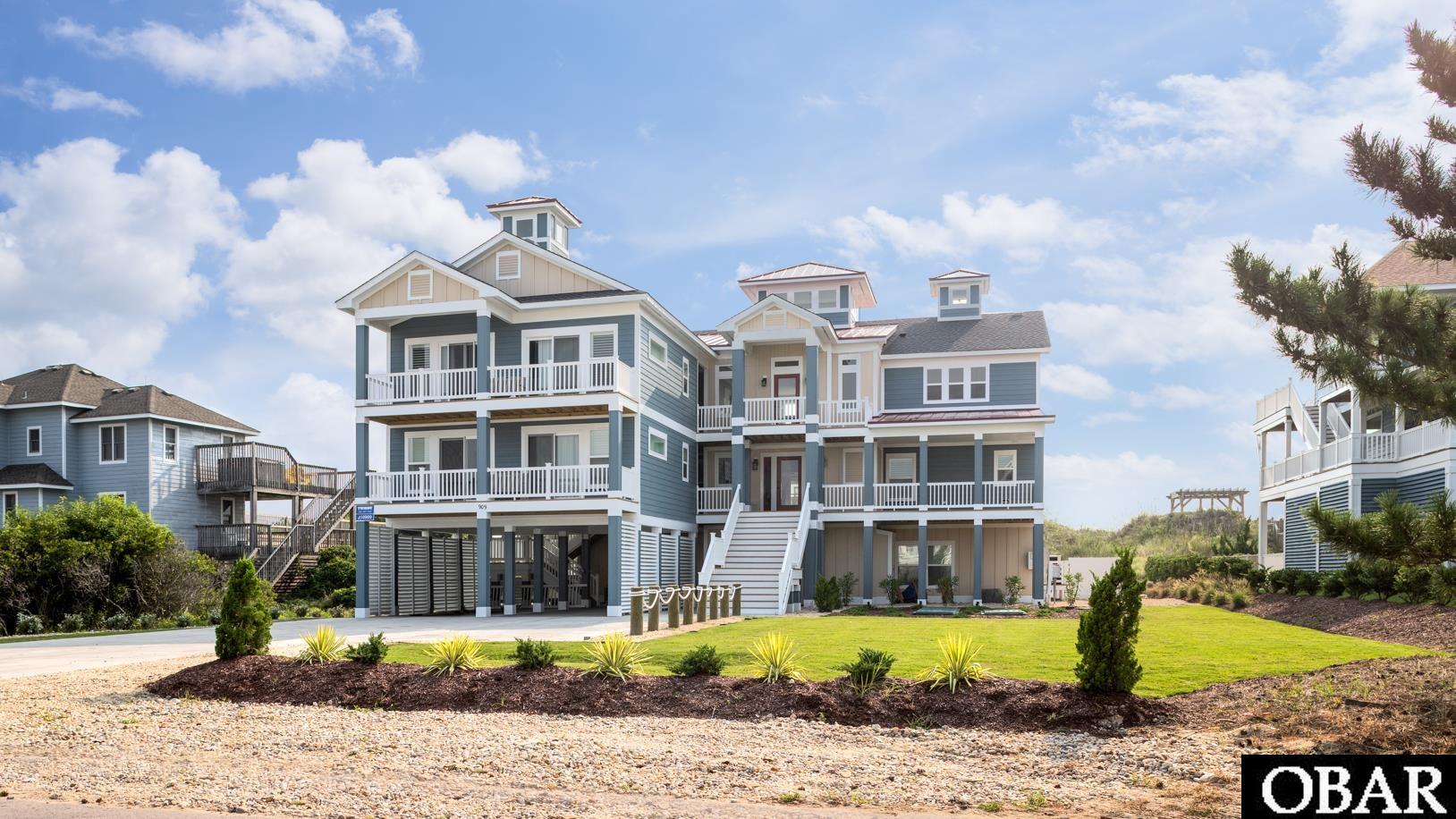
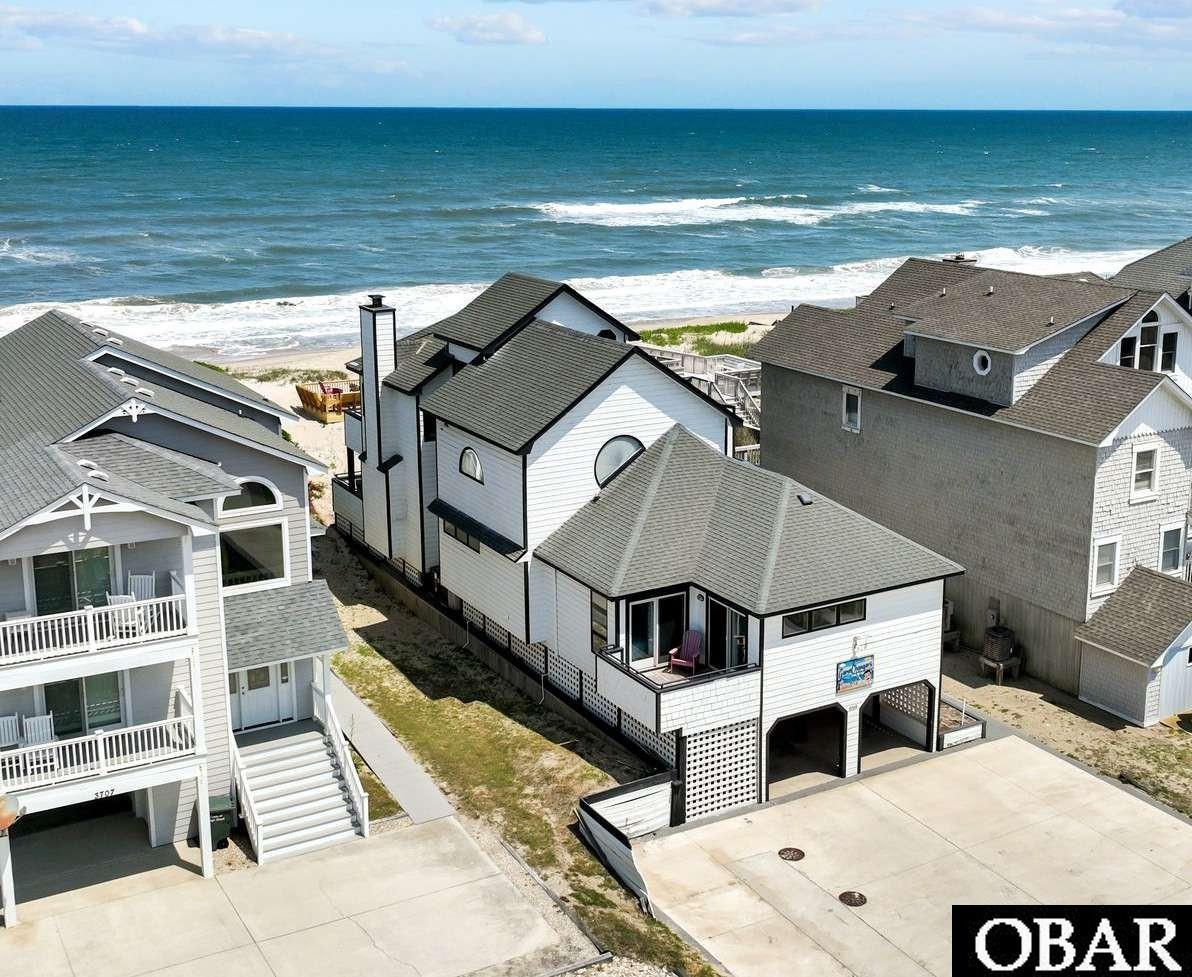
- House A: A 4-bedroom in Corolla for $900,000.
- House B: A 6-bedroom in Kill Devil Hills for $1,200,000.
The Cap Rate levels the playing field, allowing you to see which property offers the better return on every dollar spent.
OBX Reality Check: The "Risk Premium"
- The Market Baseline
- Investors usually want a Cap Rate higher than the "risk-free" return of a Government Bond (typically 6% or 7% for a beach house).
- The Location Premium
- In stable areas like Duck, Cap Rates are often lower (4–6%) because the risk is lower.
- The Opportunity Zone
- In "workhorse" neighborhoods, you might see Cap Rates of 8% or higher to compensate for more volatility.
A Warning for the Novice Investor
Be wary of "Pro Forma" Cap Rates that "forget" to include:
- The 20% Management Fee
- The "Salt Air Tax" (Frequent HVAC and appliance replacement)
- The Capital Reserve (Saving for a new roof or pool liner)